

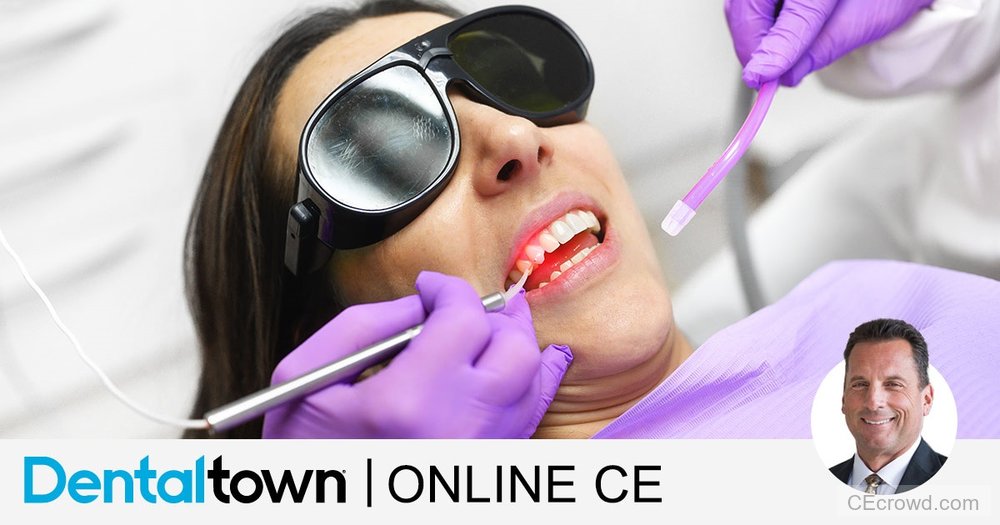
Lasers in Prosthetic & Implant Dentistry: A Comprehensive Overview by Dr. Thomas Bilski
About This Event
In this comprehensive course, participants will delve into the transformative role of lasers in prosthetic and implant dentistry. The curriculum covers a range of laser types, including CO2, Nd:YAG, and Er:YAG, diode lasers and their applications in procedures such as osseointegration, soft tissue contouring. Participants will learn how lasers offer unparalleled precision and reduced trauma, leading to quicker healing times and less postoperative discomfort for patients. The course will feature live demonstrations, case studies equipping dental professionals with the skills needed to integrate laser technology into their practice effectively. However, it’s crucial to understand that laser technology is not a one-size-fits-all solution. The course will also address the limitations and contraindications of using lasers in prosthetic and implant dentistry. For instance, certain lasers may not be suitable for all types of tissues or prosthetic materials, and improper use can lead to thermal damage. Participants will engage in critical discussions about when to opt for traditional surgical methods over laser-assisted techniques. By the end of the course, attendees will have a balanced understanding of the benefits and limitations of lasers, enabling them to make informed decisions in clinical settings.
Learning Objectives
- Identify the different types of lasers commonly used in restorative and implant dentistry, such as CO2, Nd:YAG, and Er:YAG, diode lasers and understand their unique properties and applications.
- Demonstrate proficiency in laser-assisted techniques for soft tissue management, including gingival contouring and frenectomies.
- Evaluate the role of lasers in enhancing osseointegration for dental implants, including the preparation of implant sites and post-operative care.
- Understand the safety protocols and contraindications associated with laser use, including the potential for thermal damage and tissue burns.
- Compare and contrast the benefits and limitations of laser-assisted procedures versus traditional surgical methods in restorative and implant dentistry.