

A New Route to Rescue: Intranasal Epinephrine versus Autoinjectors by Dr. Mark Donaldson
About This Event
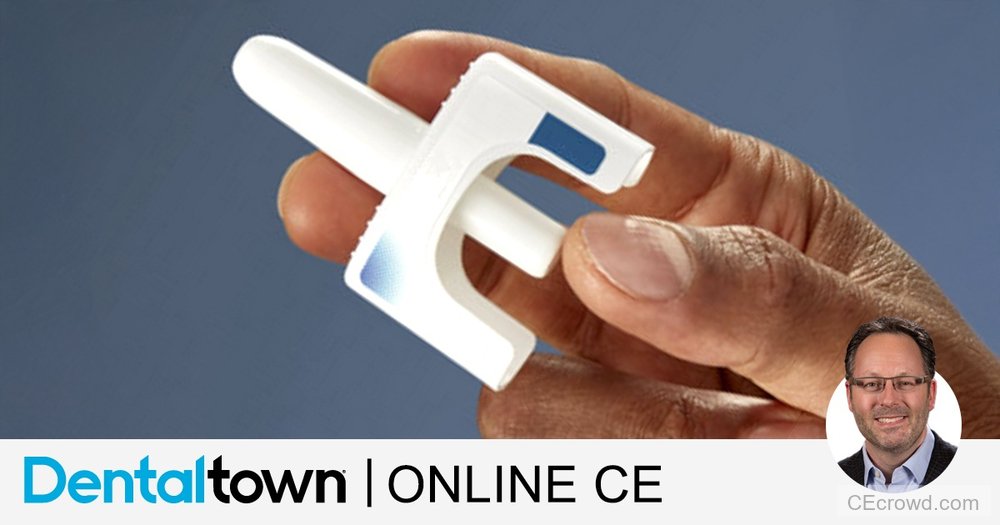
Medical emergencies happen. Studies estimate that on average a practitioner will be faced with a medical emergency in the dental office at least once every two years. Some of these occurrences can be minor; some of these situations can be life-threatening. The good news for practitioners is that 75% of emergencies can be mitigated with good local anesthesia (pain control) and good stress reduction (sedation). For those few instances when an appropriate response could be lifesaving, each practitioner must be prepared with a properly equipped emergency drug kit. The purpose of the course is to emphasize patient safety and educate you on new information on the most essential drug you must be familiar: epinephrine. Even though the right answer always includes dialing 9-1-1, when this drug is indicated, you need start the chain of survival in your office immediately. Epinephrine is the primary treatment for anaphylaxis, and while the most common form of administration is typically as an auto-injector, there are barriers to its use, which increase the dangers of anaphylaxis. These barriers include incorrect administration, poor design, trypanophobia, limited shelf-life and in some cases, limited access to auto-injectors. The introduction of an epinephrine nasal spray helps overcome these barriers by offering a new dosage form that is considered safer, more effective and even more economical. This course updates the practitioner and Team on new data and new formulations of epinephrine taking you from the past to the future!
Learning Objectives
- Recognize the most common medical emergencies in the dental office.
- Identify the seven essential drugs. Required in the minimal dental emergency kit.
- Learn the pitfalls of some of our historical emergency drug dosage formulations.
- Review the proper use and administration of an epinephrine formulation delivered as a nasal spray.