
Managing the Unexpected Dental Injury
Traumatic dental injuries occur at the least convenient time and require of the practitioner a broad range of diagnostic and clinical skills.
Traumatic dental injuries occur at the least convenient time and require of the practitioner a broad range of diagnostic and clinical skills.
From the best ways to use your eyes and your hands to examine the structures of the oral cavity to the most meaningful application of advanced modalities such as panoramic radiography, cone beam computed tomography, biopsy or other adjunctive tests.
Oral Pathology: What’s New & What’s Worth Remembering?
Image interpretation is performed routinely. For most clinicians, the interpretation of common diseases such as dental caries and periodontal disease is rote; the imaging features have been seen many times over. When an abnormality, perhaps not seen since dental school days is identified, the task can be more challenging.
Management of Acute Pain in the Dental Office
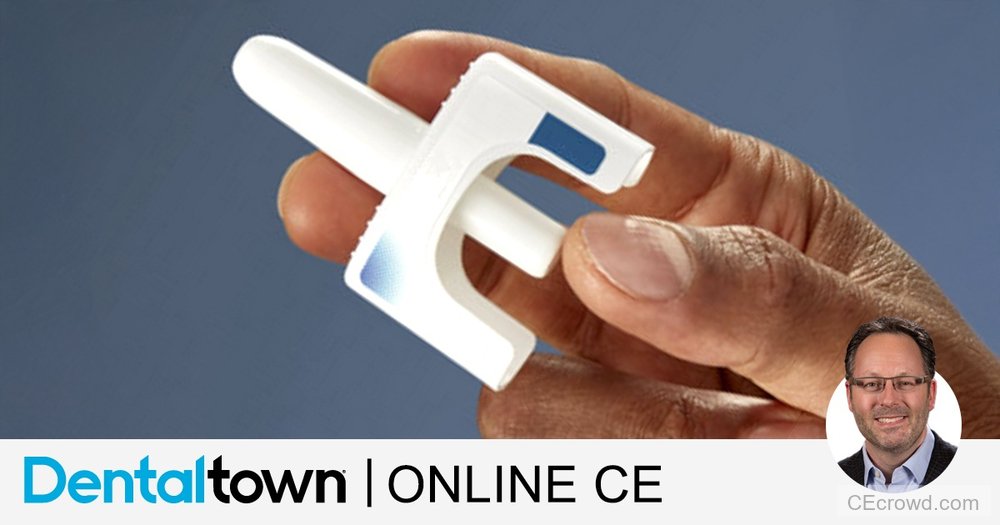
Medical emergencies are defined as any condition that if left untreated may lead to patient morbidity or mortality. However, if your definition of an emergency is any condition of a patient that raises your blood pressure or pulse rate - then you need to take this course!
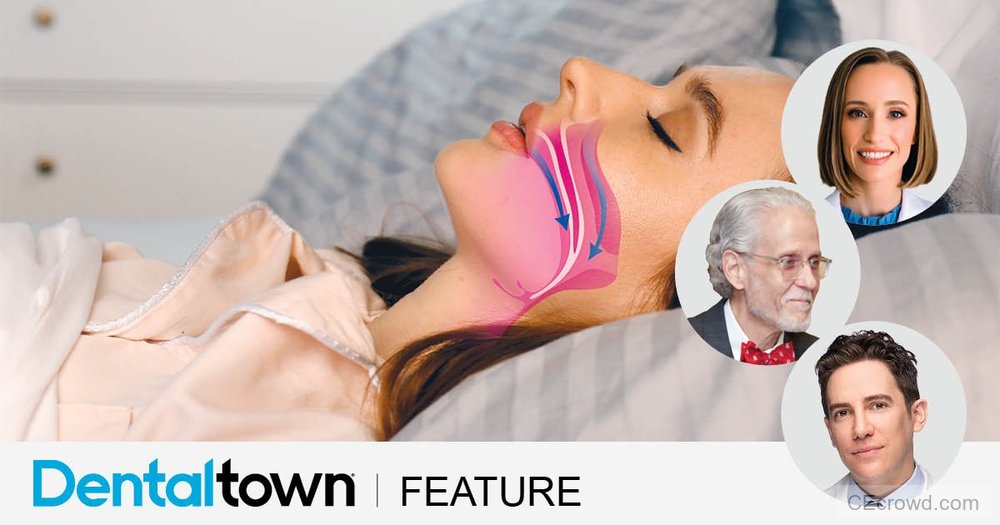
This course outlines the steps for a general dentist to effectively screen and refer patients for obstructive sleep apnea (OSA).

This course offers a comprehensive overview of managing chronic drug-induced bruxism and orofacial pain, particularly in cases complicated by dental procedures.
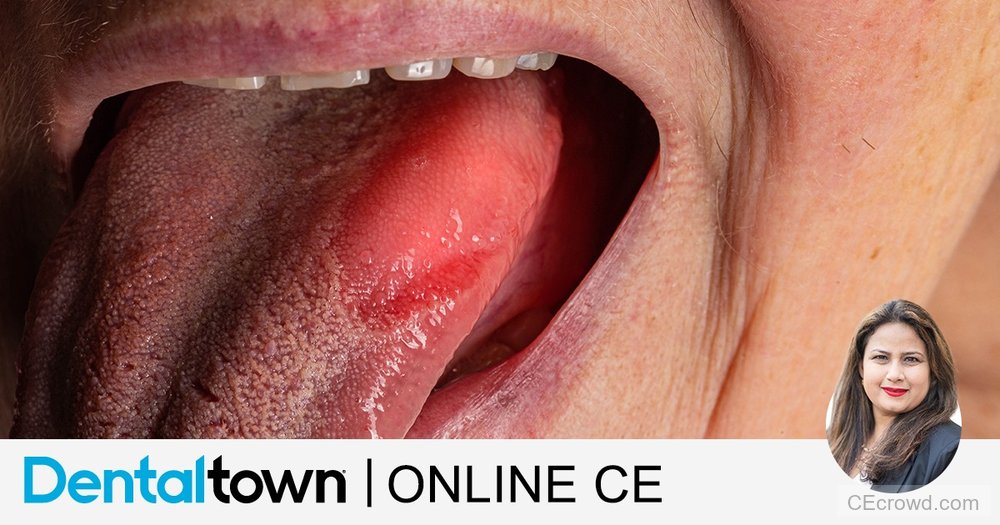
An overview guide of oral cancer aimed to give general dentists and hygienists a deeper and comprehensive understanding of oral cancer.

With the decriminalization of cannabis for both medical and recreational purposes throughout Canada, and in more than half of the United States, dental professionals are faced with the additional challenges when treating patients.
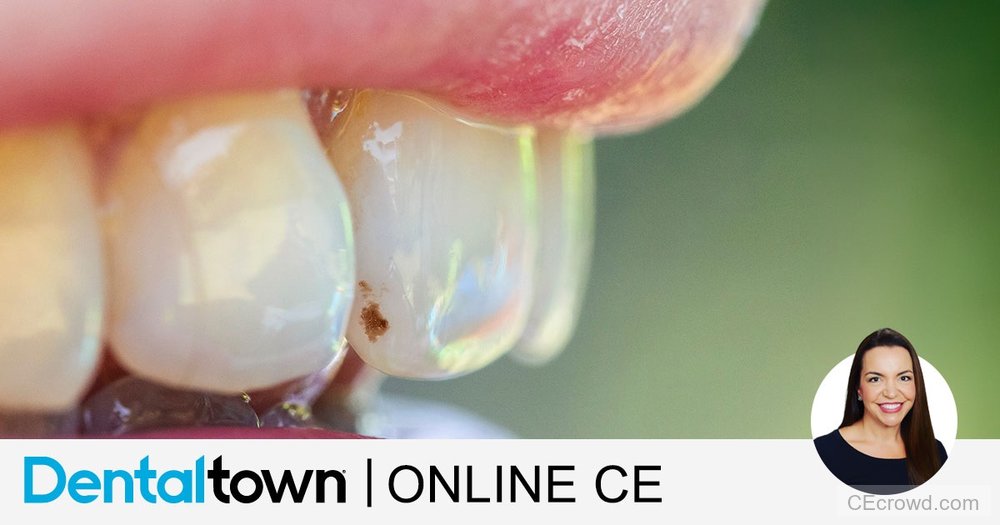
Why watch and wait when you can act? Learn the latest options for caries arrest, remineralization treatments, and related nonsurgical options.

This course will allow the general practitioner to survey the current landscape of medical and dental treatments for sleep apnea and decide how and if they want to evolve into this life saving arena.
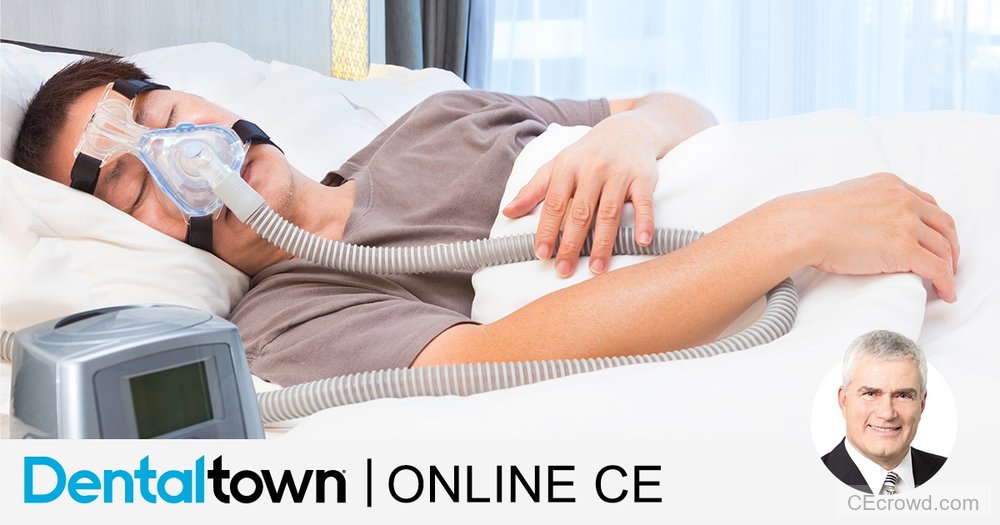
This course helps general practitioners survey the current landscape of medical and dental treatments for sleep apnea and decide how—and if—they want to evolve into this lifesaving arena.
This course provides the building blocks to become a better prescriber and a better clinician when it comes to appropriate postoperative pain management.
In this Module 3 of the 4 part series of the MATE act, we will discuss how to effectively manage intraoperative dental pain with local anesthesia. Achieving profound and effective local anesthesia is...
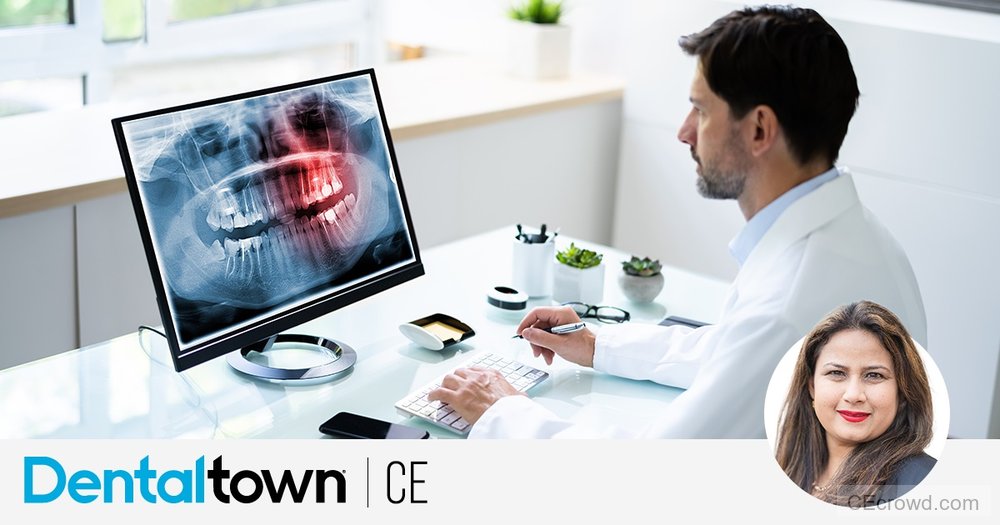
This course highlights different types of common radiolucencies and includes an in-depth analysis of oral cancer. Learn how and when to biopsy a lesion.

Significant bias for use of CPAP therapy to manage obstructive sleep apnea has resulted in a polarized, “one treatment” approach.

This course allows the general practitioner to survey the current landscape of medical and dental treatments for sleep apnea and decide how and if they want to evolve into this life saving arena.
Performing soft tissue biopsies is one of the simplest surgical procedures to perform, yet general practitioners only perform 17% of all soft tissue biopsies. This course will give the attendee a simple 5 step cookbook for performing the biopsy – from patient evaluation through postoperative instructions.
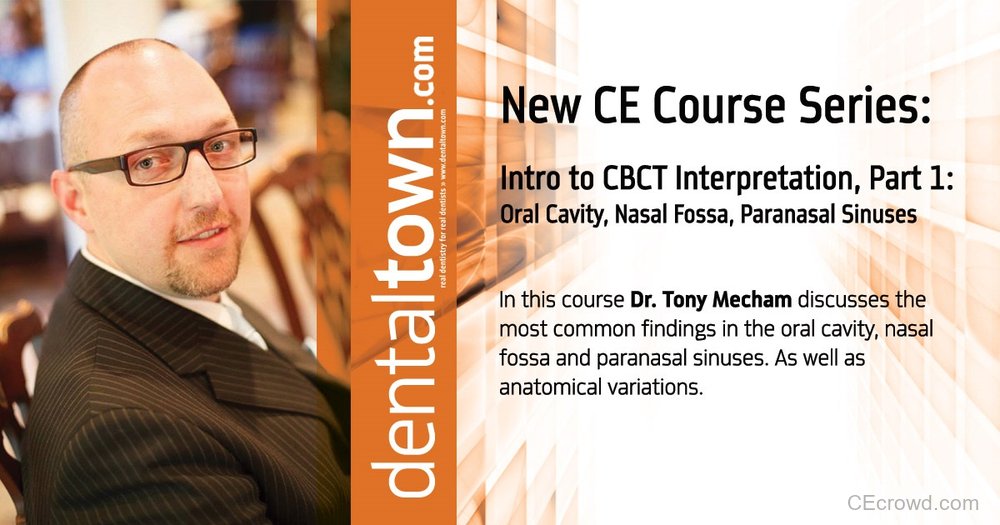
Important concepts and suggestions for CBCT Interpretation are discussed in this CE course. The most common findings in the oral cavity, nasal fossa and paranasal sinuses are all shown and explained as well as anatomical variations.