
Behavior Change and Goal-Setting for Caries Prevention
Part 8 of a 10-part series introducing oral health promotion and education to prevent caries; focuses on patient behavior, barriers to change, goal-setting and supporting caries-reducing habits.
Part 8 of a 10-part series introducing oral health promotion and education to prevent caries; focuses on patient behavior, barriers to change, goal-setting and supporting caries-reducing habits.
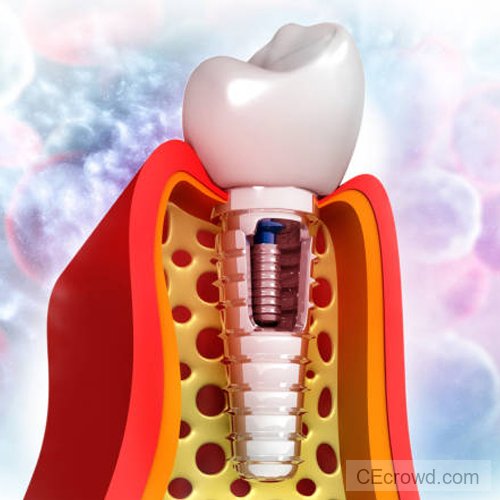
Course evaluating effectiveness of implant surface decontamination therapies for treatment of peri-implant disease; reviews prevalence, etiology, risk factors, and treatment modalities including physical, chemical and laser therapies.
Part 5 of a 10-part series covering demineralization and remineralization processes, tooth hard tissue structure, role of bacterial acid production, critical pH, saliva buffering, and fluoride in remineralization.
Part 6 of a 10-part series on caries diagnosis emphasizing importance of early and precise diagnosis, visual–tactile and bitewing radiography methods, and evidence-based approaches to integrate diagnosis into treatment planning.
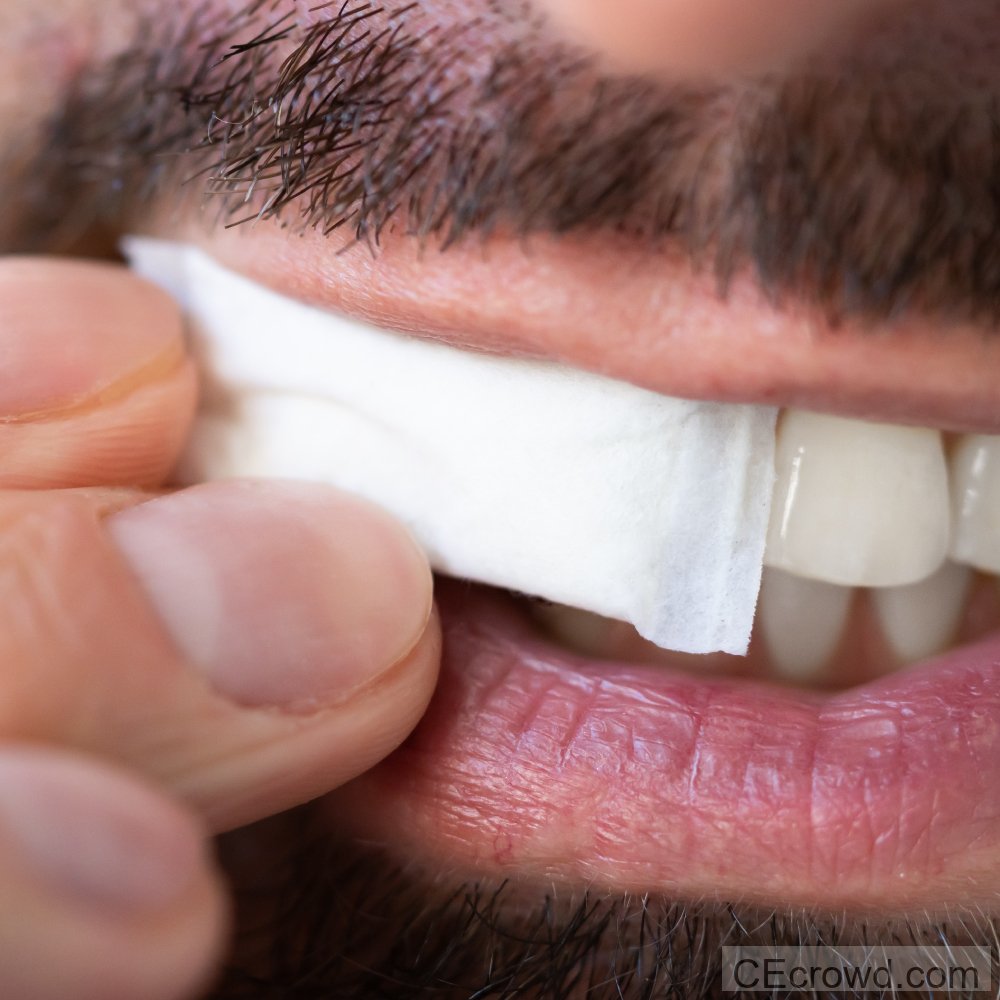
Course reviewing scientific evidence on oral nicotine pouches (ONPs) and their impact on oral and systemic health, with emphasis on patient education and public health responsibilities of oral health professionals.
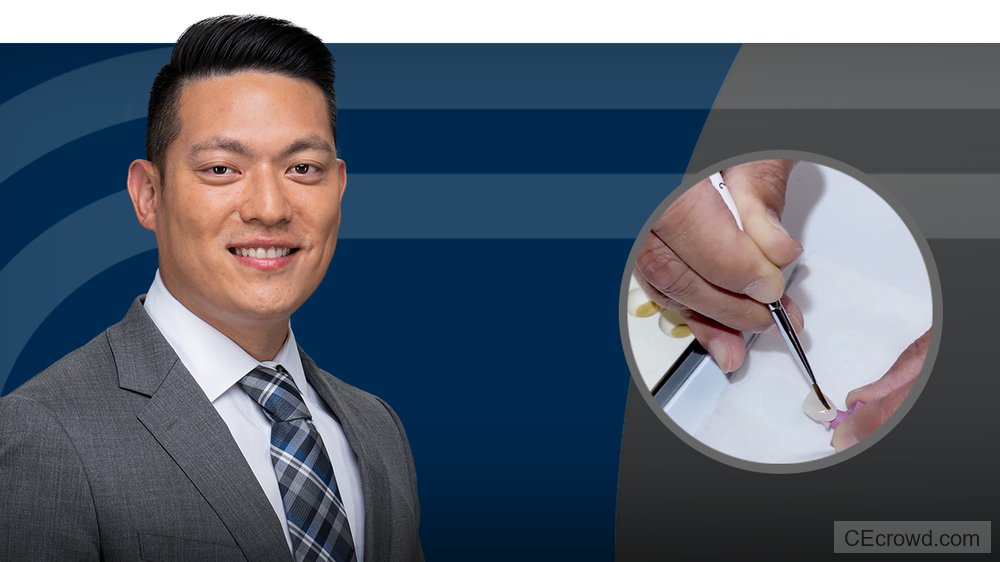
In this course, Dr. Justin Chi demonstrates how to elevate chairside restorations using advanced staining, glazing, and finishing techniques for monolithic restorations.
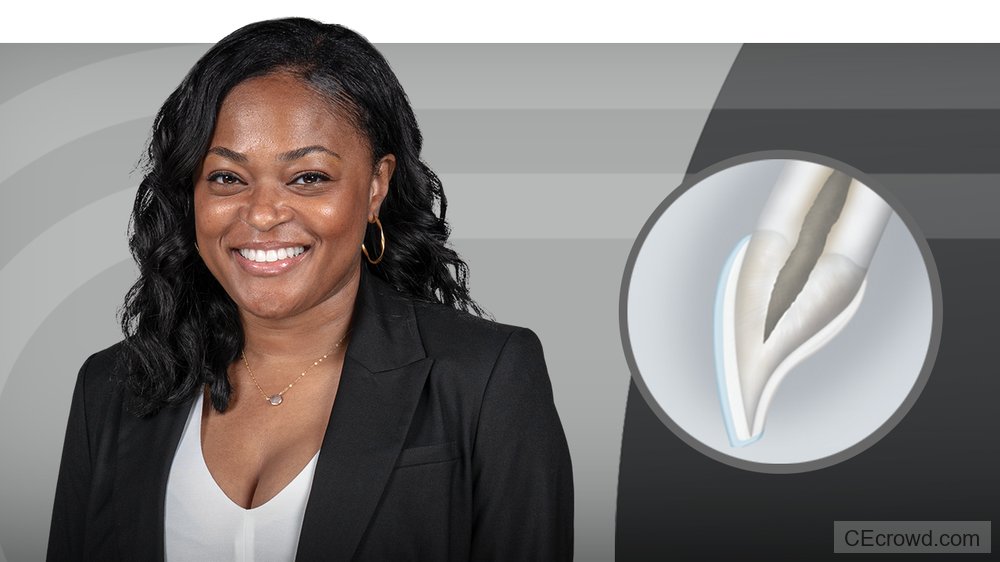
In this course, Dr. Danielle Brown provides a practical overview of veneer preparation techniques from no-prep, minimal-prep and traditional-prep veneers with step-by-step protocols.
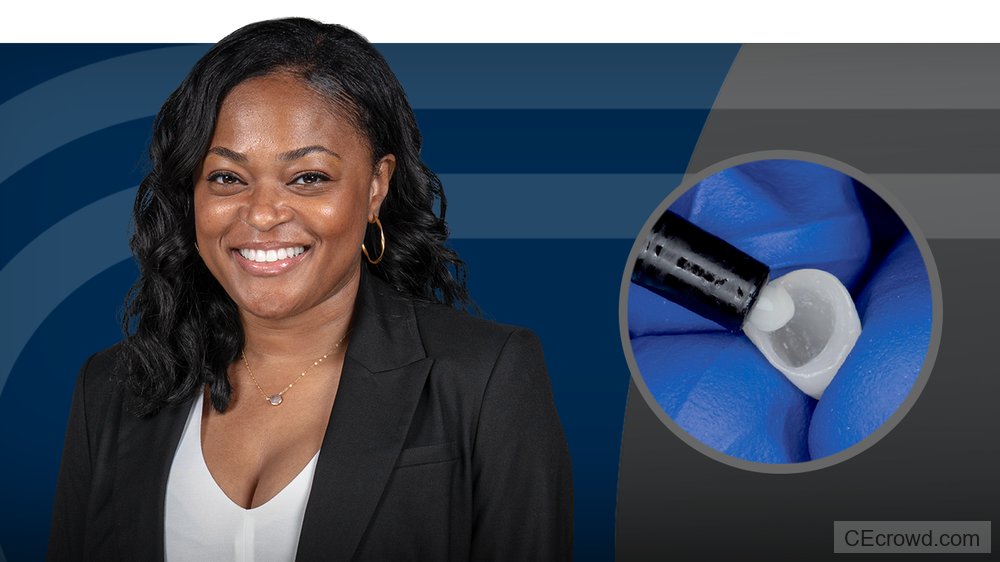
In this course Dr. Danielle Brown offers practical guidance on veneer temporization and bonding techniques to improve patient comfort and clinical outcomes.
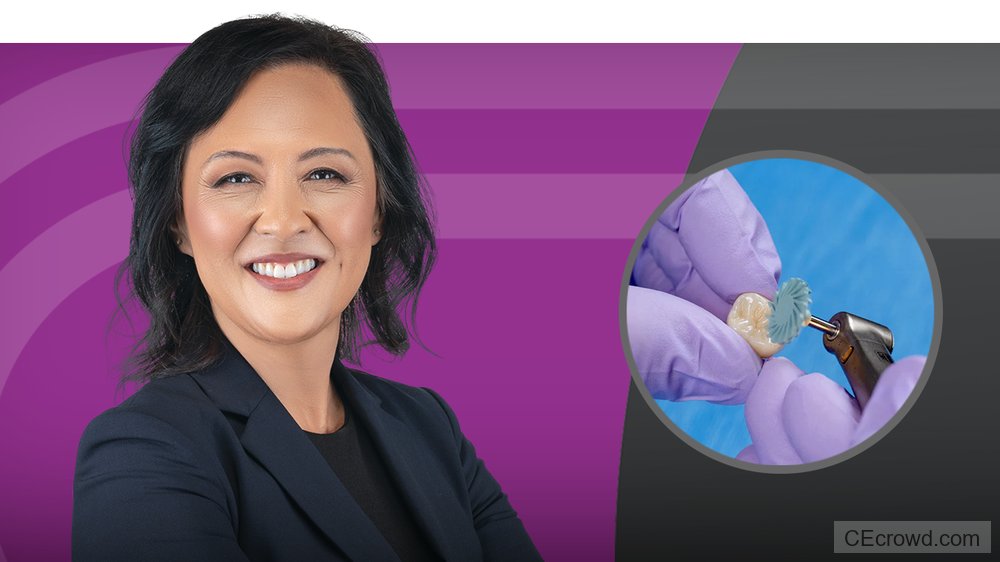
In this course, Dr. Jinny Bender guides clinicians through the essential steps for delivering monolithic zirconia restorations with confidence.
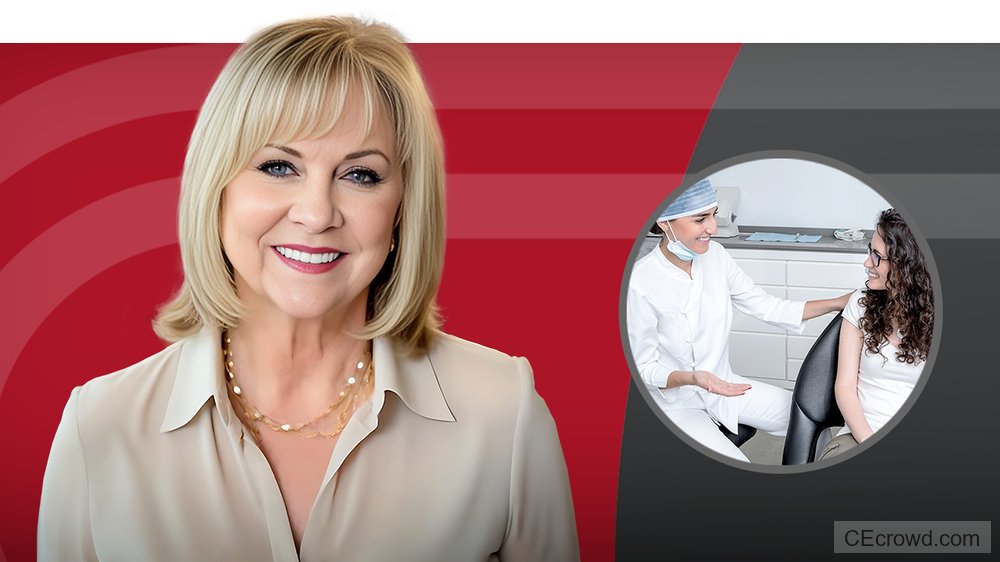
In this course, Debra Engelhardt-Nash will provide an approach to mastering the art of patient dialogue from the initial consultation to overcoming treatment hesitation. Learn how to handle objections with empathy and credibility.
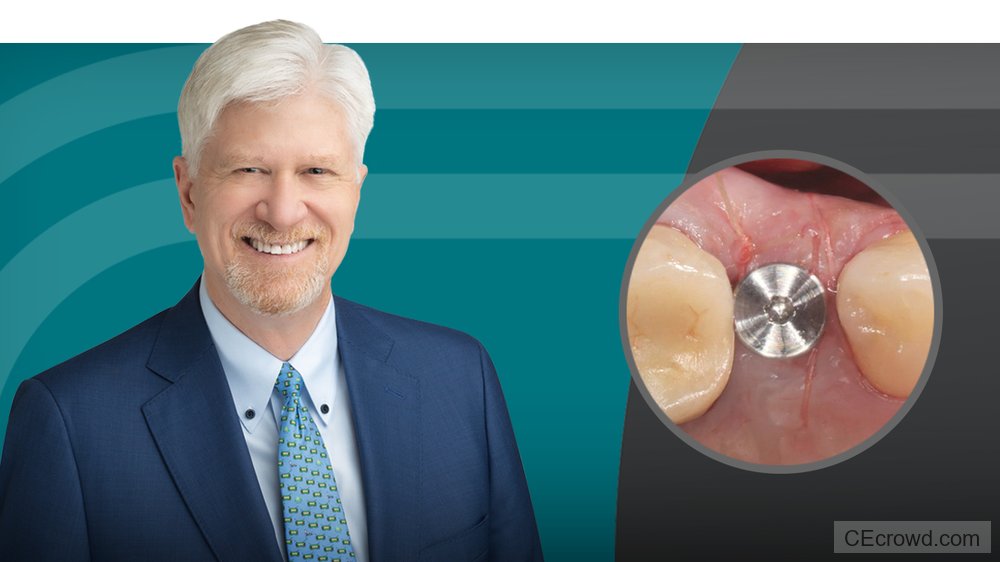
In part one of this course, Dr. Timothy Kosinski presents practical protocols for selecting and using both resorbable and non-resorbable sutures, along with hands-on demonstrations of various suturing techniques and their clinical applications in dental implant preparation.
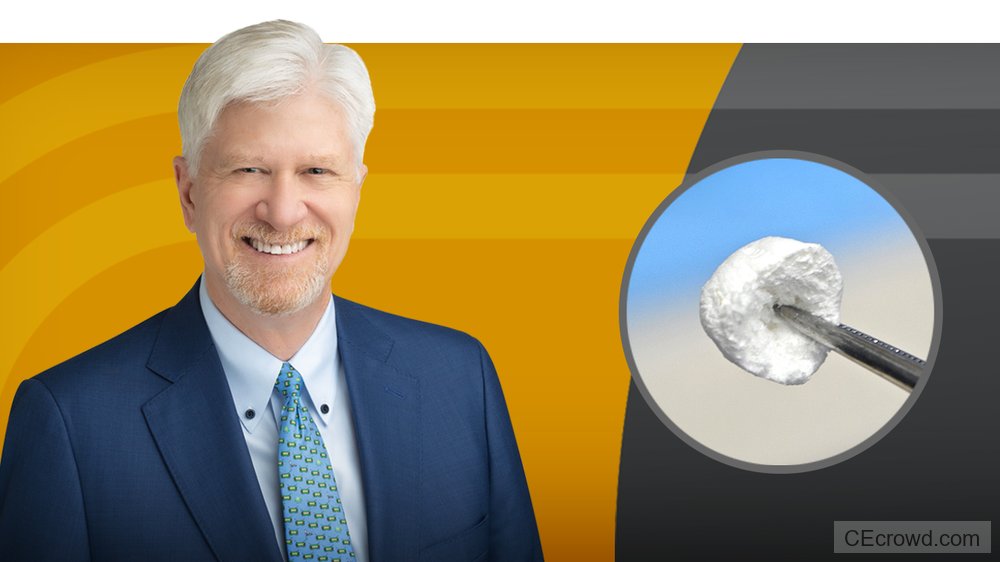
In part two of this course, Dr. Timothy Kosinski demonstrates atraumatic extraction techniques and discusses their clinical benefits in implant site development.
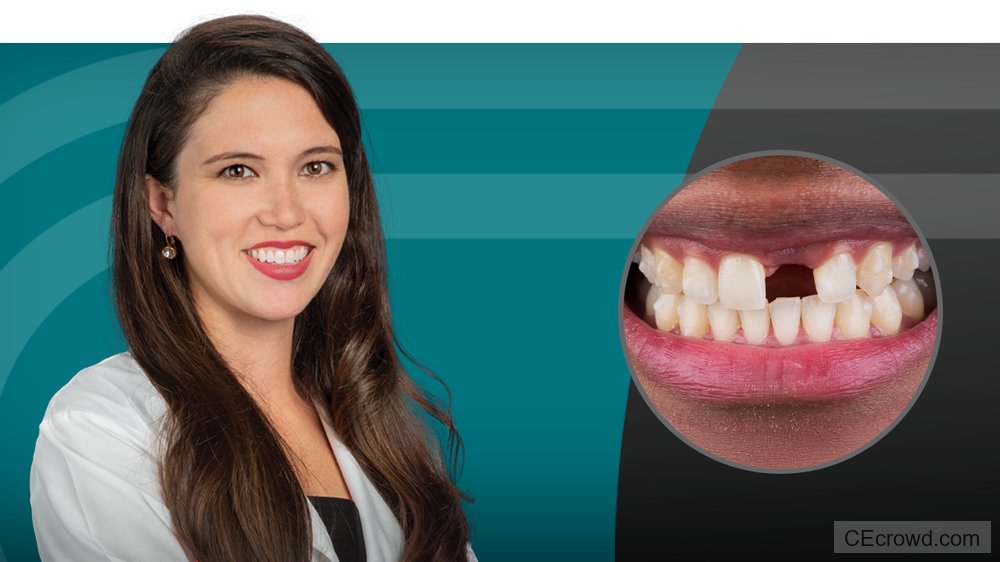
Treatment planning for single-unit implant placement requires a comprehensive understanding of biological, esthetic, and functional principles. In this course, Dr. Taylor Manalili will introduce a top-down treatment planning approach, integrating digital technology to optimize outcomes.
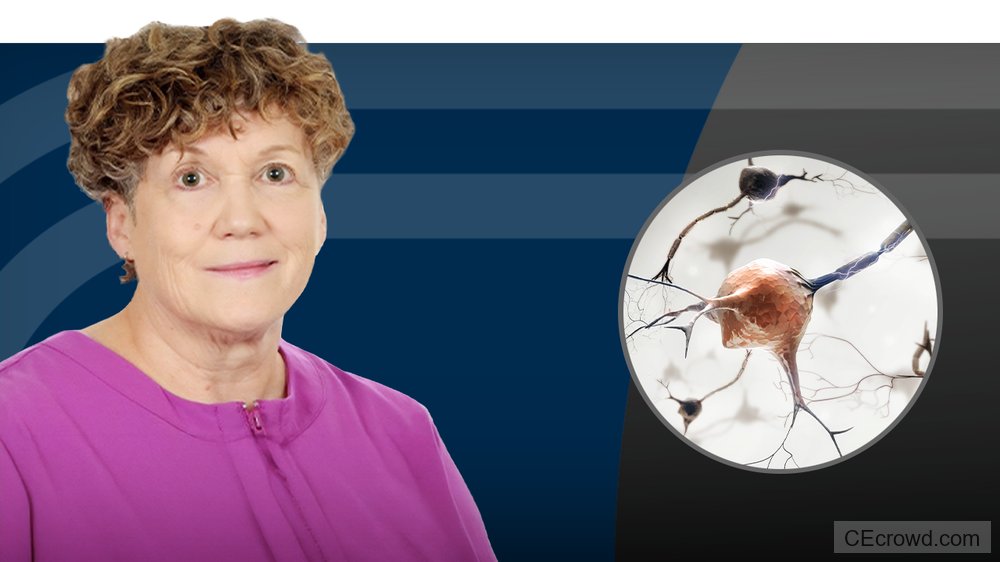
In this course, Kathy Bassett will thoroughly explore the key pharmacological properties influencing profound anesthesia. Participants will review the latest guidelines for local anesthetic dosing and labeling to ensure safe usage.
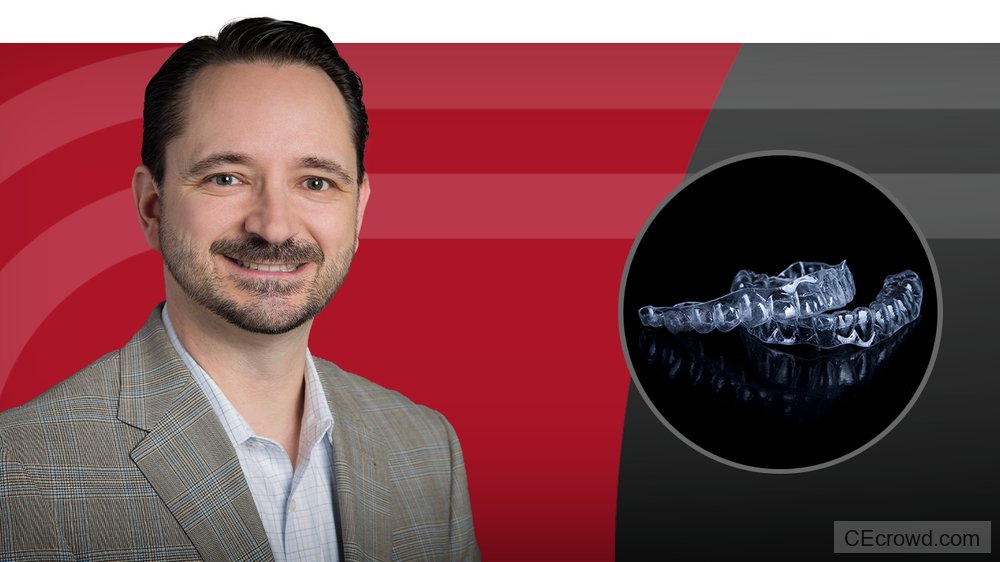
This course offers an in-depth look into clear aligner orthodontic therapy, emphasizing both theoretical understanding and practical application. Participants will gain insights into the benefits of expansive versus retractive orthodontics, explore various arch forms and their relationship with malocclusion, and learn a systematic diagnostic protocol for identifying malocclusions.
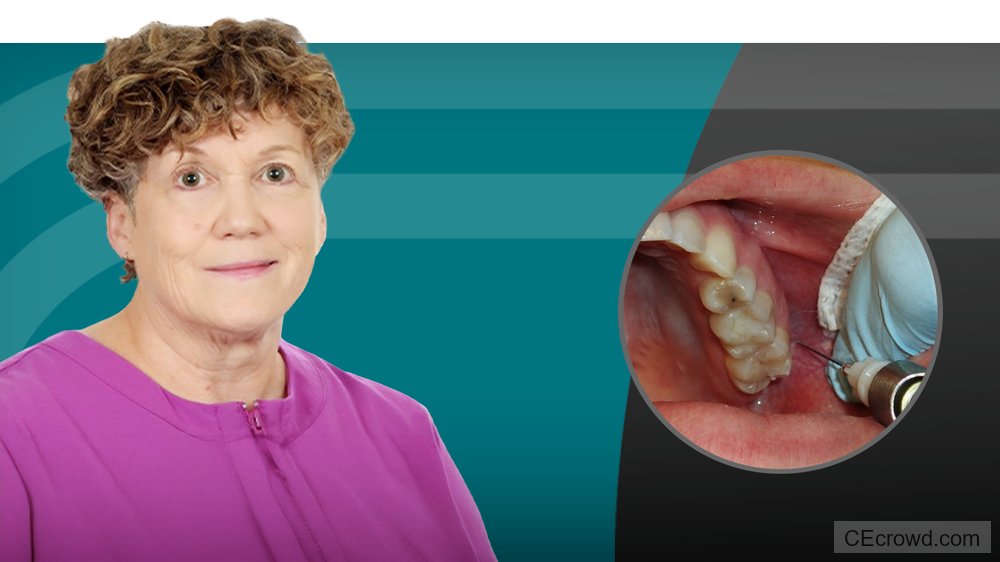
This course covers three key topics in dental anesthesia: anatomical features aiding inferior alveolar anesthesia, a comparison of maxillary infiltration and block techniques, and essential landmarks for AMSA and Maxillary V2 nerve blocks.
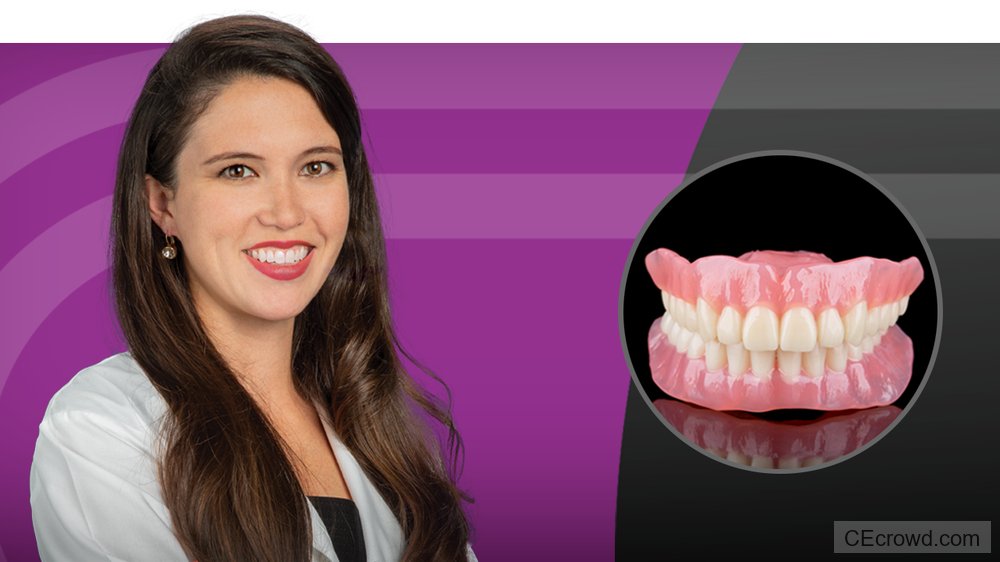
This four-part course aims to help you provide edentulous patients with a functional and esthetic prosthesis. After taking this course, you will be able to review the different indications for removable prostheses, understand various treatment planning factors, and identify options for impression taking and border molding.

This CE webinar explores the advanced radiographic evaluation and planning of zygomatic and pterygoid implants through the use of wide-frame CBCT imaging.

Zirconia and Lithium Disilicate are the 2 most popular current materials for crowns in the US. This CE webinar discusses and demonstrates the materials, techniques and protocols specific to each material.

Part ten of the webinar series “Learning From Our Mistakes” will feature Dr. Standridge sharing how clinical photography has transformed his orthodontic, airway-focused, and general dentistry practice.